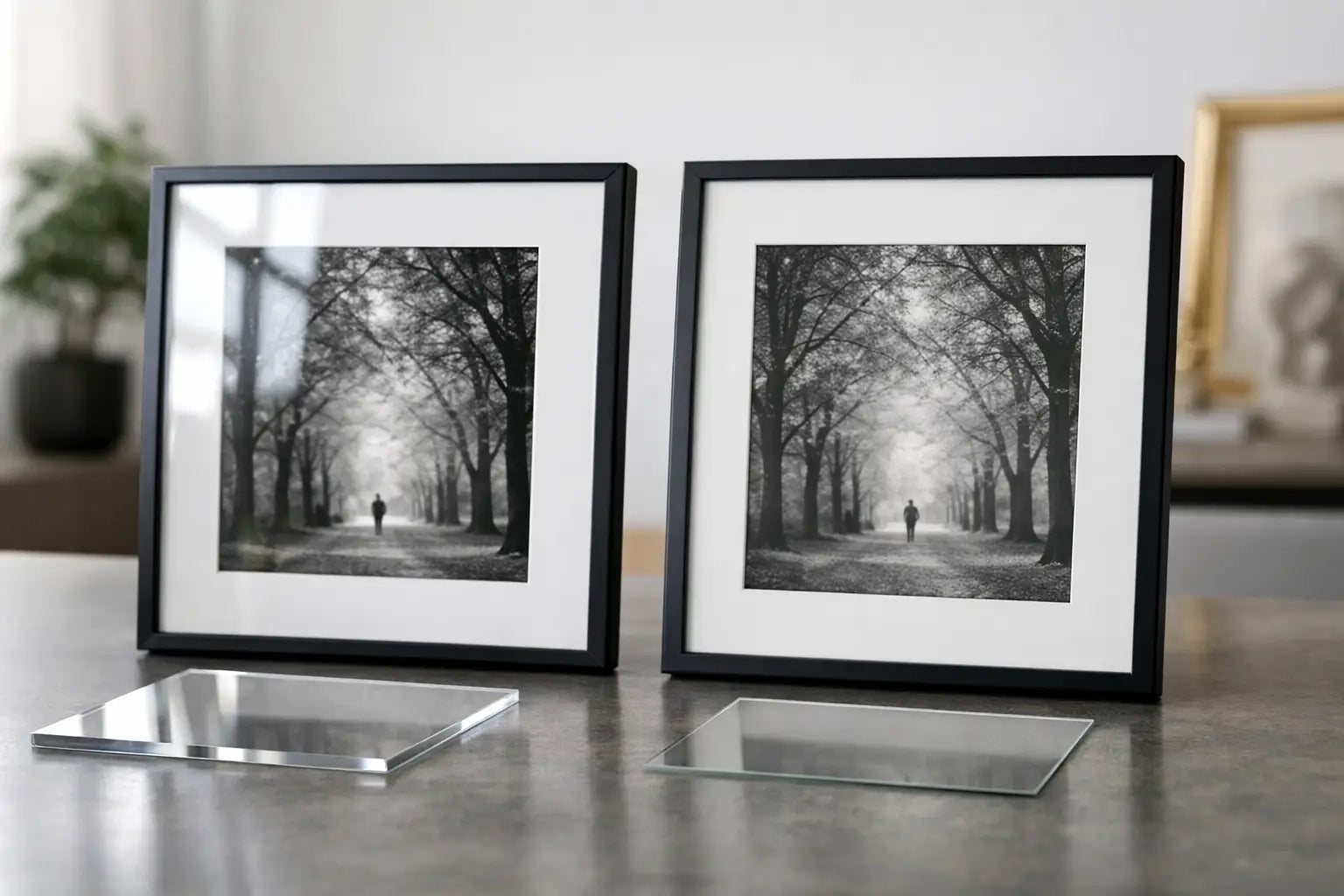
Acrylic glass or museum glass - which is better?
A photograph of the sea thrives on delicate horizon lines, a New York scene on deep contrasts, and an abstract composition on its color effect. Whether Acrylic glass or museum glass Therefore, price is not the only factor determining which is the better choice. Crucial factors include the location of the artwork, its size, the lighting conditions, and how it will be used in everyday life.
For a well-thought-out wall design, it's worth considering glass not merely as protection. It significantly influences how clear a motif appears, how strongly windows or lights are reflected, and how relaxed a framed picture looks in a living room, hallway, or vacation home.
Acrylic glass or museum glass: the difference at a glance
Acrylic glass is a high-quality, transparent plastic sheet. It is significantly lighter than traditional glass and more shatter-resistant, making it particularly suitable for large formats, frequently used rooms, and images that need to be transported or hung safely. Before printing, it creates a smooth, modern surface and protects the image from dust and everyday wear and tear.
Museum glass, on the other hand, is a special type of picture glass with a high-quality, usually anti-reflective coating. It is designed to significantly reduce reflections and ensure exceptional clarity of the image. Depending on the specific type, museum glass may also offer a high level of UV protection. The term "museum glass" does not represent a uniform technical standard: coating, anti-reflective properties, and UV protection can vary depending on the manufacturer.
In direct comparison, museum glass is the more visually understated solution, while acrylic glass is the simpler one. With both materials, the effect depends heavily on the quality of the workmanship. A carefully crafted frame, a cleanly mounted print, and a suitable mat all influence the result, as does the choice of glazing.
When acrylic glass is the convincing choice
Acrylic glass suits many living situations because it combines aesthetics and practicality. Its light weight is a real advantage, especially for large-format prints above a sideboard, in a stairwell, or in an open-plan kitchen. The frame remains manageable, the wall is less stressed, and hanging is easier.
Even in spaces with high foot traffic, the shatterproof properties of acrylic glass are a major advantage. Families with children, households with pets, and vacation rentals benefit from this, as do offices, hotels, and medical practices. Where a picture is not just decorative but part of a vibrant environment, acrylic glass creates a more tranquil atmosphere.
Visually, acrylic glass displays colors clearly and vividly. It emphasizes the depth of coastal photographs, the luminosity of a Florida series or the graphic precision of an abstract print. In normal, indirect daylight, the surface appears high-quality and striking. However, reflections can become visible in very bright rooms – similar to conventional glass.
Another important point is care. Acrylic glass should be treated with a soft, clean microfiber cloth and without harsh cleaning agents. Abrasive cloths can leave fine scratches. Gentle cleaning and avoiding unnecessary rearrangement of pictures will ensure a beautiful, clear view for a long time.
For which rooms is museum glass made?
Museum glass truly shines where light is an integral part of the architecture. Consider a spot opposite a window, a bright conservatory, or a hallway with strategically placed ceiling lighting. Where windows, pendant lights, or light-colored walls would otherwise be clearly reflected, anti-reflective museum glass can noticeably improve the perception of light.
This is particularly impressive in photographs with a lot of detail.Fine textures in the sand, details of a cityscape, or subtle color transitions in an artwork remain more visible because there is less reflection in front of the image. The glass visually recedes into the background. The eye remains focused on the subject and not on what is in the space in front of it.
This effect comes at a price. Museum glass is generally more expensive than acrylic glass and is heavier. Therefore, the mounting of large wall pictures should be planned particularly carefully. For a small picture in a softly lit bedroom, the added value is not always so significant as to make the investment absolutely worthwhile.
The surface's sensitivity also deserves attention. Anti-reflective coatings require expert, careful maintenance. Fingerprints, unsuitable cleaning agents, or pressure during cleaning can be more visible than on standard glass. For those who intend to display a picture permanently in a protected location, museum glass offers the best protection.
Light is more important than the style of the frame.
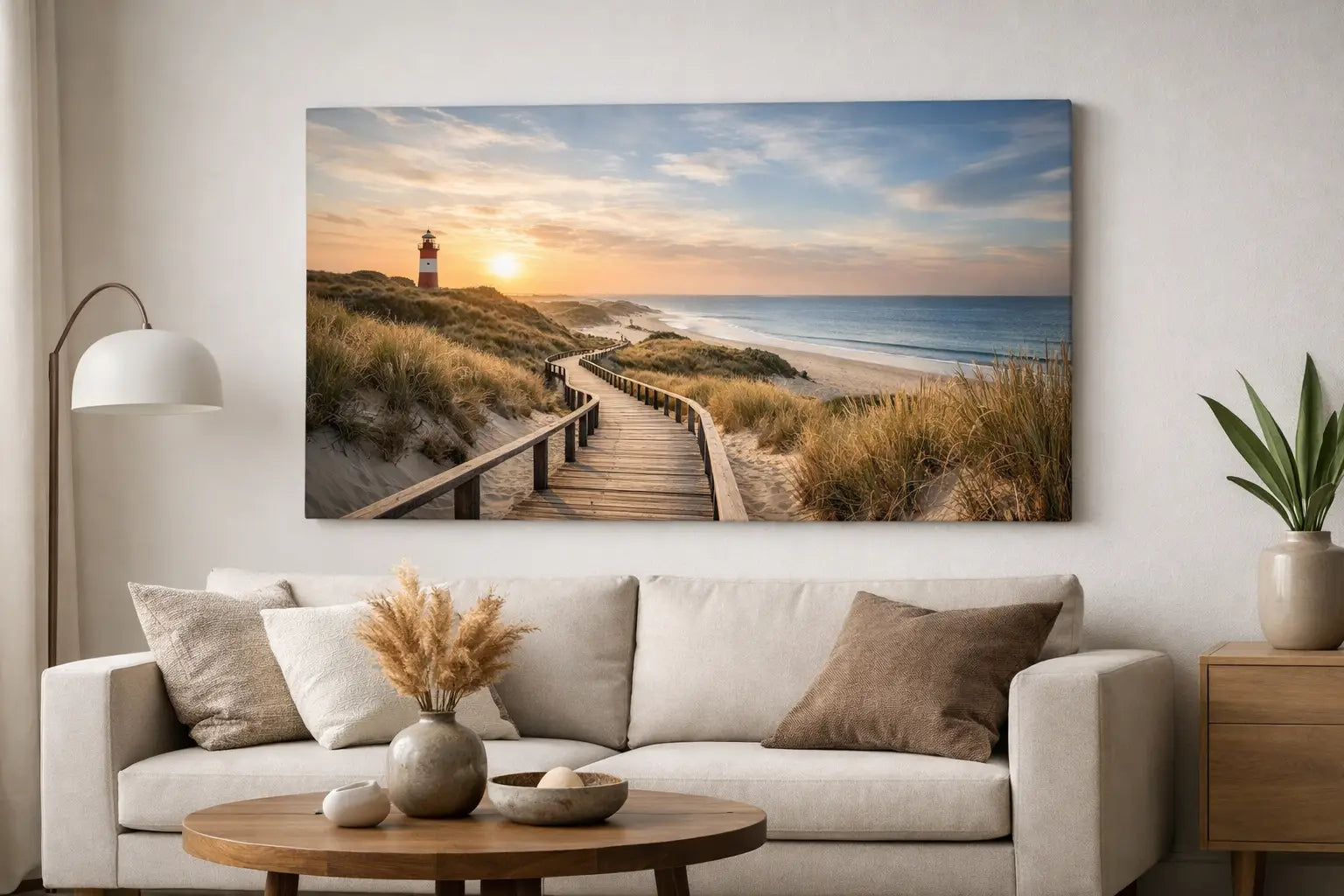
Many purchasing decisions begin with the subject matter and the frame. That's correct, as both give the picture its character. However, the choice of glass should come directly afterward, because it is tied to the actual location. A white frame with a Sylt photo It can look perfect in the showroom, but suddenly show strong reflections at home when facing a south-facing window.
Therefore, observe the wall throughout the day. Does direct sunlight fall on the surface in the morning? Does a floor lamp reflect off it in the evening? Is the picture positioned at eye level opposite a large window? In these cases, museum glass is a worthwhile option. For a sheltered wall with soft light, acrylic glass often offers a better balance of effect, safety, and cost.
Direct sunlight should be avoided as much as possible, regardless of the type of glazing. Even UV protection is not a license for hours of intense sun exposure. Colors and paper retain their vibrancy best when a picture is not constantly exposed to strong light, high humidity, or large temperature fluctuations.
The right choice for format, motif and everyday life
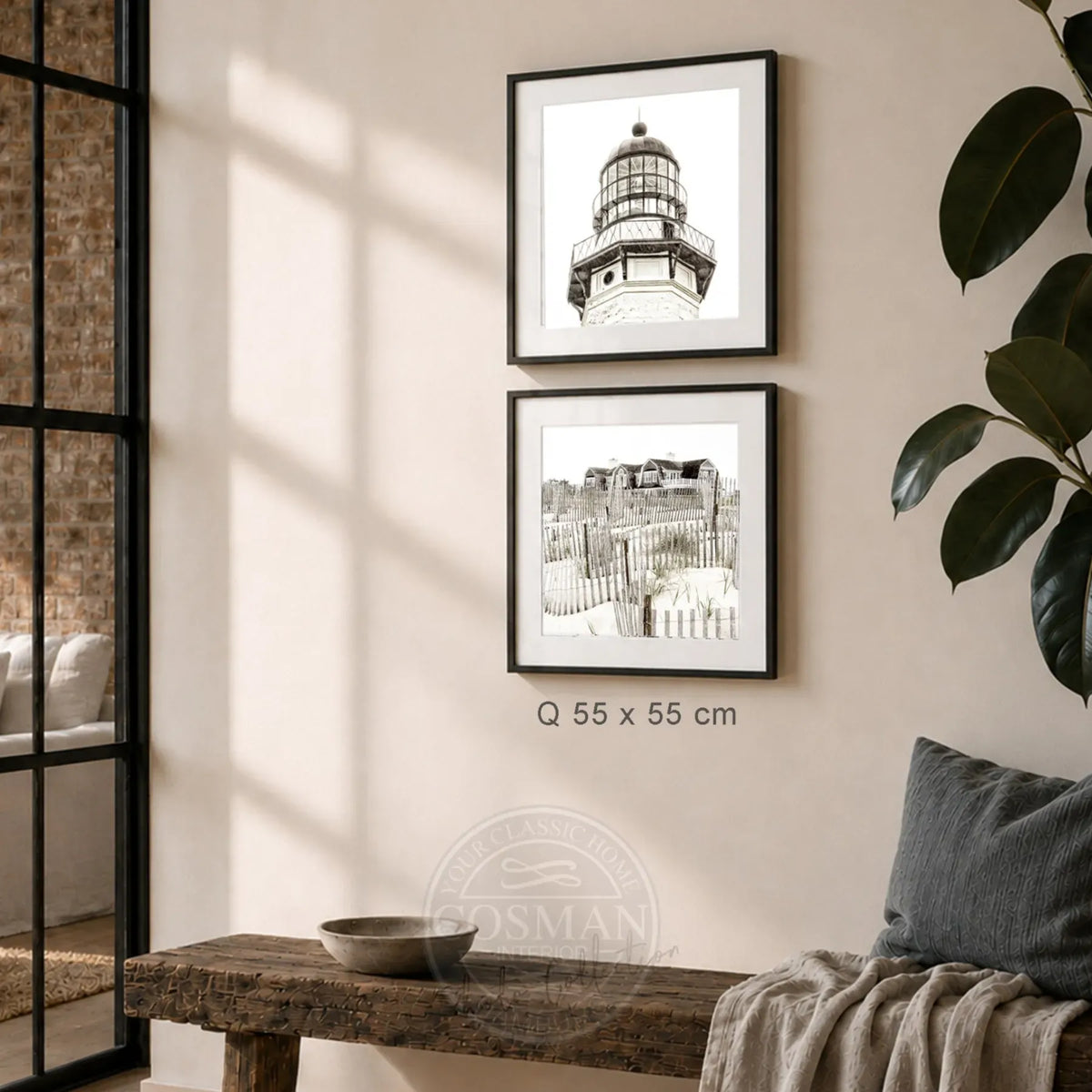
In small and medium-sized formats, museum glass can truly shine in rooms with sophisticated lighting. A single, high-quality framed image above a console or in an entrance area achieves an almost undisturbed visual impact. The difference compared to standard glazing is often immediately apparent in such situations.
The larger the image, the more important weight and handling become. Acrylic glass is therefore particularly attractive for large formats. A large-format California photography Above the sofa or in a multi-part arrangement in the office, it is easier to assemble and remains less susceptible to impacts in everyday use.
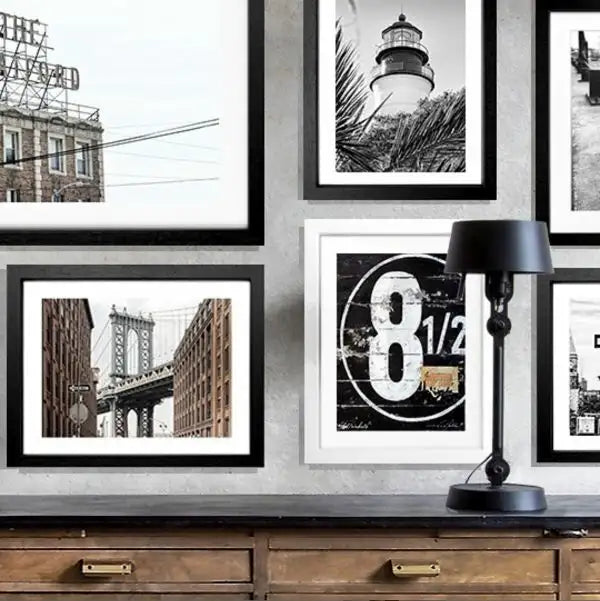
There are no hard and fast rules regarding the subject matter. High-contrast cityscapes and intensely colored coastal scenes benefit from the clear, smooth appearance of acrylic glass. Finely nuanced black-and-white photographs, images with many small details, or serene art prints often benefit from the reduced reflections of museum glass in a brightly lit room.
Those who regularly redecorate their homes, change pictures seasonally, or furnish a vacation property will often find acrylic glass a more practical solution. On the other hand, those who permanently display a special work of art on a prominent, bright wall can achieve a very serene, gallery-like effect with museum glass.
What a high-quality frame can additionally achieve
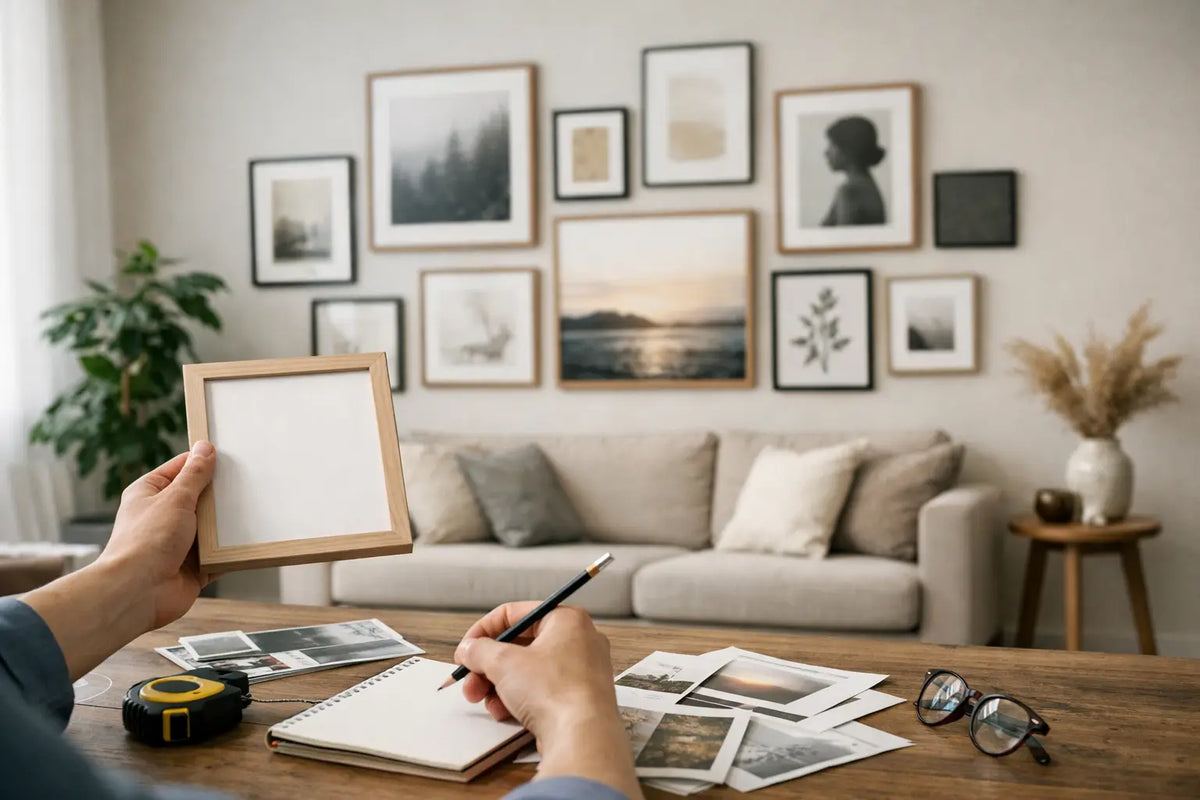
The glazing can only be as effective as the frame itself. A picture should lie cleanly and without tension in the frame, the backing board should be stable, and the hanging hardware should be appropriate for the format.Especially with large-format wall art, this processing determines whether the result appears precise and high-quality.
At Cosman Photocollection, photo prints are produced on high-quality paper, hand-framed, and prepared ready to hang. This not only saves you the trouble of searching for matching individual components, but also ensures that the format, frame, and glazing are conceived as a unified whole from the outset – for a wall display that doesn't look improvised.
The frame color can further complement the choice of glass. Dark frames create clear contrasts and add structure to cityscapes. Light wood or white tones make travel photos appear airy and inviting. If the picture hangs in a quiet room, the frame can be more prominent. On a wall with many materials, colors, or light sources, a more understated combination usually creates a more harmonious effect.
A decision that should be made at the wall
Acrylic glass is the ideal choice for many large-format, everyday, and ready-to-hang wall art pieces. Museum glass is particularly worthwhile when reflections would interfere with the view of a chosen motif and the clearest possible view is paramount.
Before ordering, don't just imagine the image, but also the moment you walk past it: in the morning with light coming in from the window, in the evening with the lights on, alone or with guests. The right glazing is the one that will make your picture look naturally good in precisely these situations.