
Photo print or fine art print - which is better?
A large-format photograph of Sylt, a sunny Palm Springs moment or a clear photograph of Hamburg's architecture does not depend on the motif alone. What matters is how light, colors and details appear on the wall. When it comes to the question of photo prints or fine art prints, it's not just about paper, but about the desired atmosphere in the room, the location and the type of presentation.
A fine art print initially sounds like the fundamentally more elegant choice. However, a high-quality photo print can be exactly the right decision - especially if it is professionally produced, carefully framed and chosen to match the motif. Anyone who knows the differences not only makes a technical decision, but above all a design decision.
Photo print or fine art print: the difference at a glance
A photo print is created on classic photo paper. Depending on the process, the image is exposed or exposed and developed. The result is usually characterized by clear, brilliant color reproduction, deep black levels and a very even image area. Motifs with intense blue tones, bright skies, water, neon lights or urban contrasts particularly benefit from this.
A fine art print is usually produced with pigmented inks on a special inkjet paper. This paper can appear matt, slightly structured, satin or particularly soft. The surface is an essential part of the effect: it gives the image more calm, depth or an almost tactile appearance. Fine art prints are often chosen when the paper structure should be deliberately visible or when a motif should have a reserved, artistic appearance.
Both processes can be very high quality. The quality does not just depend on the name, but on the file, the printing process, the paper, the color control and the processing. A mediocre fine art print is no better than a first-class photo print because of its name.
The photo print: brilliance for clear image worlds
A high-quality photo print has a precise and immediate effect. Fine lines in a skyline, the glittering on the water off Saint-Tropez or the contrasts in a coastal scene remain clearly legible. Depending on the surface chosen, the image can appear glossy and more vibrant or matte and more reserved.
This precision is a huge advantage for modern interiors. A large-format travel motif becomes a clear eye-catcher without the surface itself coming into the foreground. Photo paper blends in particularly harmoniously in rooms with smooth materials such as glass, metal, paint or light wood.
Fine art printing: character through paper and surface
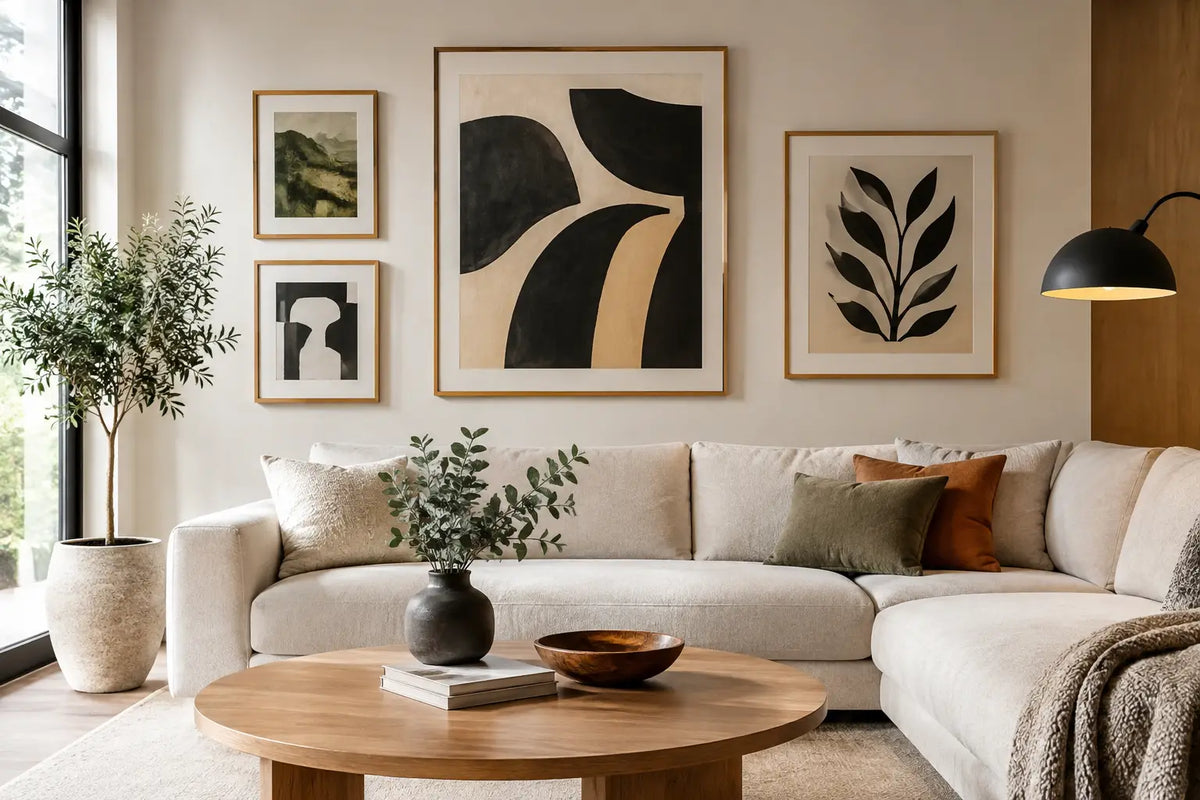
Fine art paper has its own visual language. Matte, structured versions reduce reflections and often make colors appear softer. Skin tones, fog, sandy landscapes, minimalist architecture and abstract motifs can therefore appear particularly calm and differentiated.
However, this is not a universal upgrade. For very high-contrast photographs or bright colors, a very matte surface can take away some of the desired energy. The paper structure also doesn't always look appropriate for large-format motifs. Anyone looking for the clear, sunny imagery of California, Florida or New York often prefers the color brilliance of a photo print.
What impact do you want your wall art to have?
The better question is rarely: Which process is of higher quality? What is more effective is: What effect should the picture have in the room? A photo print can make a wall appear fresh, precise and bright. A fine art print brings a calm, material and reserved touch.
In a living room with generous windows, matt surfaces can make sense because they minimize reflections. At the same time, the framing changes the image significantly. A photo print behind acrylic glass has a brilliant, protected presentation and appears particularly clear. In a darker hallway or lounge with targeted lighting, this depth can create a powerful impact.
Distance also plays a role. A large-format motif is usually viewed from a few steps away. Then composition, color effect and frame often count more than a fine paper structure. In smaller formats that are viewed up close, the special feel of a fine art paper can be more noticeable.
Recognizing quality: More than a question of paper
If you choose wall art for a long-term room, you should pay attention to the overall product. A beautiful motif loses its impact if the colors are inconsistent, the frame is not neatly processed or the assembly has to be improvised. Print and paper are part of the decision - not the whole one.
First, make sure you have a high-resolution image file and a professional, color-accurate print. In large format photographs, this determines whether details appear natural or whether areas appear rough and out of focus. It is equally important to choose a paper that matches the motif and the chosen surface.
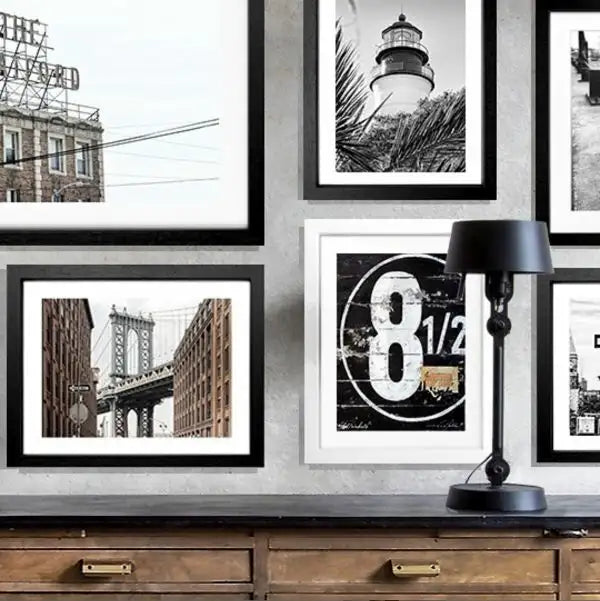
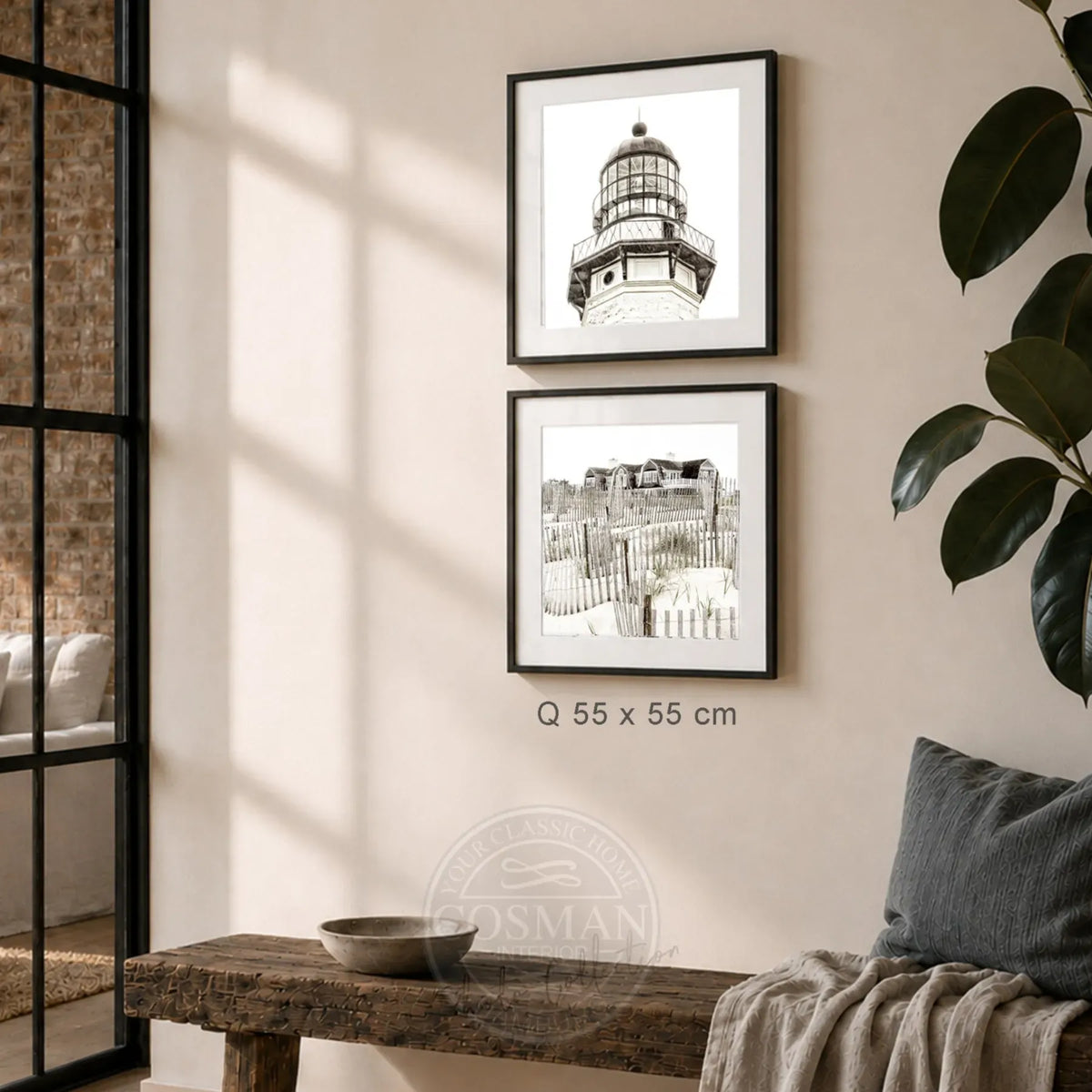
The next point is framing. A handmade frame gives the picture presence, protects the edges and balances the proportions on the wall. Frame color and profile can specifically control the mood: black appears graphic and modern, white is light and reserved, natural wood is warm and homely. A passe-partout creates additional distance and gives smaller motifs more peace, while a borderless look appears more immediate.
Ultimately, comfort counts. Wall art is only a convincing interior design solution if it does not consist of several open tasks. A picture delivered ready to hang with a matching frame, acrylic glass and hanging device saves time and prevents the print, frame and mounting from not matching visually or technically.
How to make the right choice for your space
For a bright city view, a clear coastal photograph or a colorful travel motif, a high-quality photo print is often the convincing choice. It brings out contrast, detail and color precisely. In combination with acrylic glass and a carefully selected frame, a modern, high-quality presentation is created that is immediately visible in the room.
Fine art paper can be a better fit for subtle landscapes, artistically reduced photographs or motifs with soft color transitions. This is especially true if the room incorporates natural materials, muted colors and a calm design. Here the surface can become part of the character of the picture.
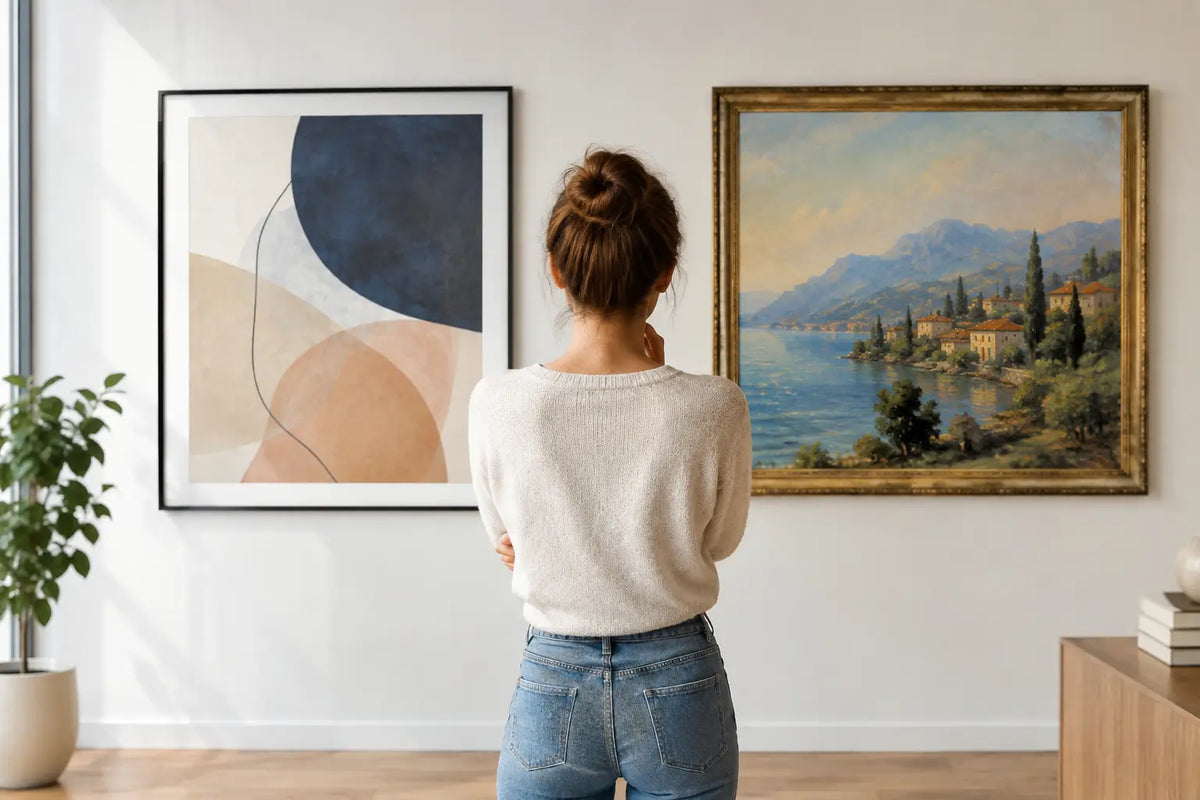
If you are unsure, look not just at the individual motif, but at the wall as a whole. Should the picture set an accent or blend in with existing furnishings? Is there direct sunlight, reflective surfaces or a central seating area? And should the photograph shine like a personal travel moment or appear more like a reserved art object?
Cosman Photocollection offers high-quality photo prints, individually selectable formats and hand-made frames for a wall design that works without additional organizational effort. The result is not just a print, but a fully composed home accessory with a clear presence.
In the end, your choice can also be personal: Decide on the surface you want to stick with. Because a picture that convincingly brings color, location and mood into your room will fill far more than a free wall.