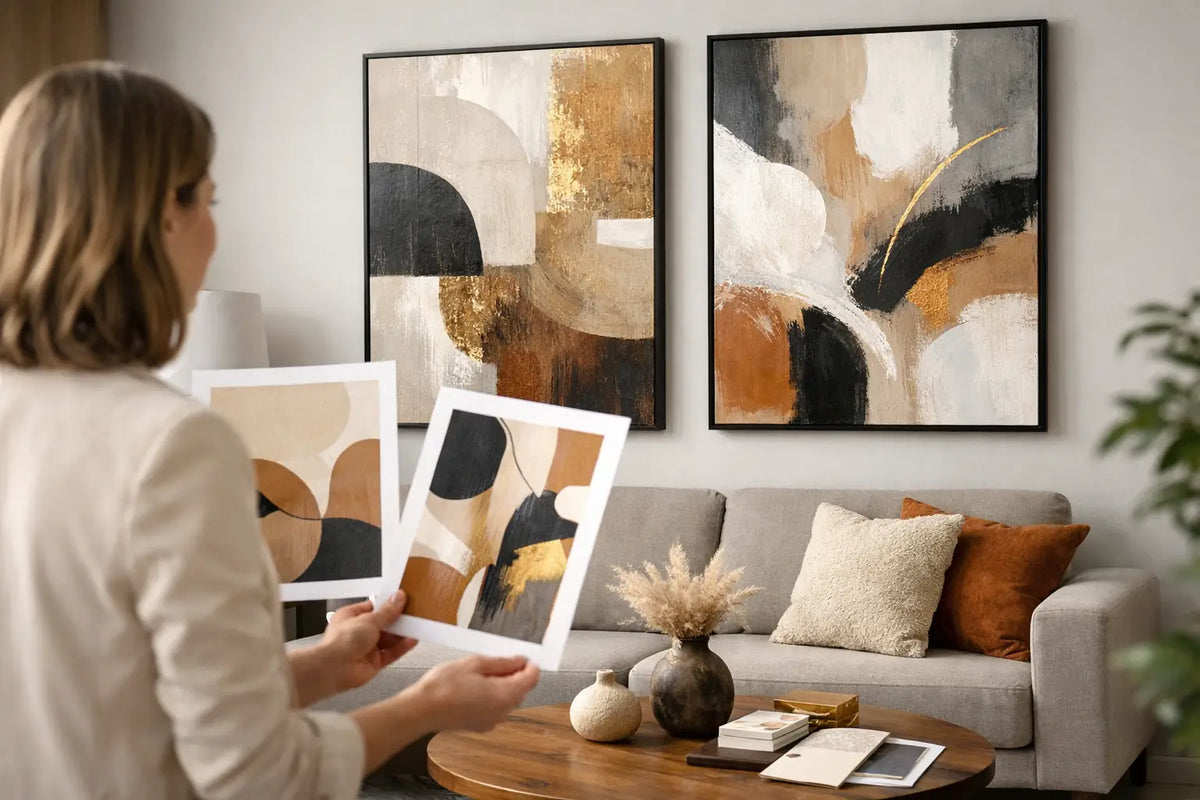
Choose modern abstract murals correctly
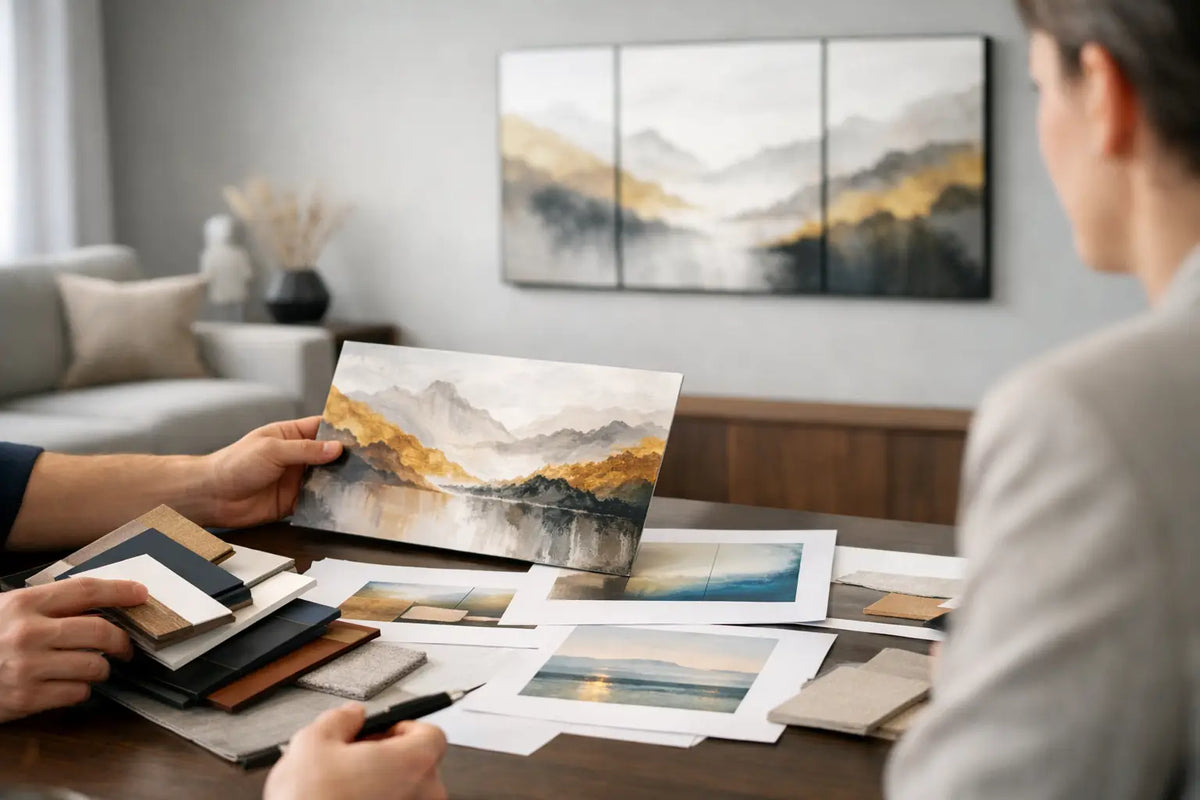
A large wall above the sofa, in the dining area, or in the entryway doesn't need many accessories. Often, a single picture with a strong presence is enough to give the room direction. Those searching for "modern abstract wall art" are usually looking for exactly that: a high-quality design solution that expresses personality without cluttering the space.
Abstract art works particularly well in contemporary apartments, houses, and vacation properties. It allows colors, materials, and light to interact without overly prescribing a motif. Whether soft coastal tones, graphic surfaces in black and white, or expressive color contrasts: the right wall art can enhance a tranquil interior or add targeted excitement to a restrained room.
Why abstract art defines spaces so clearly
A representational image tells a concrete story: a cityscape, a beach, a landscape. Abstract wall art leaves more room for personal associations. This is precisely why it works so well in living spaces. It complements the style rather than dominating it, and remains appropriate even when furniture, textiles, or color accents change over time.
Modern abstract motifs also bring structure to the wall. Lines can visually lengthen a room, organic shapes soften the harshness of austere furniture, and generous areas of color create a sense of calm. This makes abstract paintings versatile – from minimalist city apartments to elegant waterfront homes.
The crucial factor isn't whether a picture matches every single cushion. It's far more effective when wall art picks up on a tone from the room and develops it further in its own distinct visual language. A sand-colored rug, a cognac-colored armchair, or brushed brass fittings can already create the right connection.
Select modern abstract wall art according to room
The best starting point is not the picture itself, but the location where it will hang. Light, wall space, and existing furniture all determine how a picture will ultimately appear. A picture that seems understated online can have a strong, elegant effect above a low sideboard. Conversely, a high, empty wall often requires a larger format so that the picture doesn't look lost.
Living room: Create an effect without creating a commotion
Above the sofa, may abstract art Be present. A horizontal wall painting looks particularly harmonious with a wide seating arrangement because it echoes the lines of the furniture. As a guideline, the picture should occupy approximately two-thirds of the sofa's width. This rule isn't strict, but it prevents a small format from appearing too indecisive on a large wall.
For tranquil living spaces, subtle shades of beige, cream, gray, and blue are ideal, complemented by a striking dark line or a warm accent. Those seeking a more dramatic focal point should opt for contrasting shapes or deep colors like midnight blue, burgundy, and black. In this case, the rest of the decor should be deliberately kept to a minimum.
Dining room and kitchen: Color with attitude
Art can be more vibrant in the dining area. Abstract forms and clear color fields energize the room without overshadowing the table decorations. Motifs that pick up a color from chairs, lamps, or ceramics are particularly harmonious.
In open-plan kitchens, a large-format picture can also visually connect different areas. A warm tone in the wall art, which is also found in the dining table wood and in a textile in the living room, creates a cohesive look. This makes the floor plan appear well-thought-out without everything having to be perfectly coordinated.
Bedroom, hallway and home office: The right intensity
In the bedroom, soft gradients, organic shapes, and muted colors are usually the better choice. They complement the room rather than demanding attention. Above the bed, a horizontal format often creates a calmer effect than several small pictures.
A hallway, on the other hand, can handle more contrast. Here, an abstract image creates a striking first impression and adds depth to what is often a narrow space. In a home office, a graphic, clearly structured motif can support concentration. However, very intricate or visually chaotic art can be distracting – it depends on how focused or creative the workspace is intended to be.
Combine color and style with confidence
Modern abstract wall art doesn't have to match the decor in tone-on-tone. A piece often benefits from a controlled contrast. In a light interior with natural materials, for example, a deep blue or black accent can create the desired depth. Against dark walls, light, airy compositions look particularly elegant.
The 60-30-10 rule from interior design is helpful: The main color dominates approximately 60 percent of the room, a secondary color about 30 percent, and an accent the remaining 10 percent. The mural can pick up on the main and secondary colors or define the accent. It doesn't have to depict all the colors in the room.
The interior design style also plays a role. Scandinavian-style rooms are well-suited to calm compositions, natural color palettes, and soft shapes. In a modern, urban interior, geometric elements, black and white contrasts, or bolder color fields can be used. For rooms with classic stucco, herringbone parquet flooring, or brass details, a modern abstract motif creates an appealing contrast.
The right format makes all the difference.
It's not just the subject matter, but also its size that determines the overall effect. A picture that's too small can quickly make a wall look unfinished. A format that's too large can overwhelm rooms with low ceilings or those that are very densely furnished. Therefore, measure the available space before ordering, taking into account furniture widths, lamps, and distances from the walls.
There should generally be some space between the edge of a sideboard or sofa and the picture. Don't hang the picture too high: In living rooms, the center of the picture is often comfortably at eye level, around 145 to 155 centimeters. Above furniture, the bottom edge can be slightly higher, but should still maintain a visual connection to the piece of furniture.
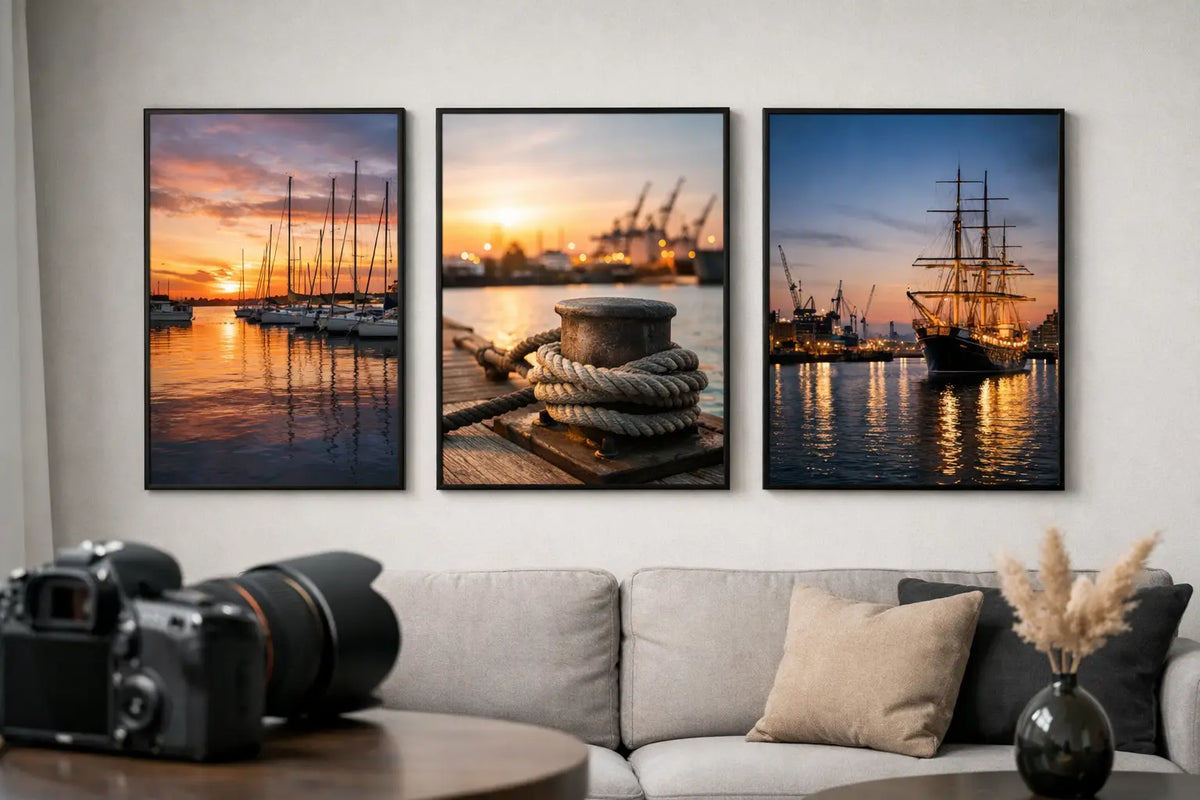
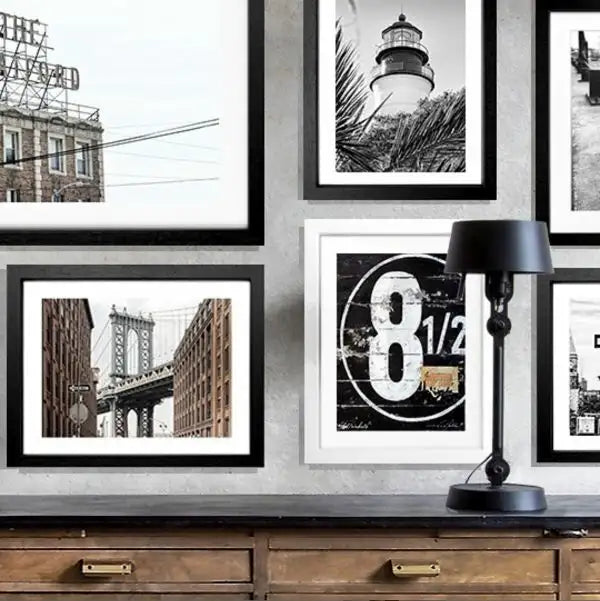
A single large picture creates a calm, sophisticated, and deliberately placed effect. Two or three coordinated formats, on the other hand, can structure a longer wall. When displaying a group of pictures, consistent frames and clear spacing are more important than identical subjects. Those who prefer a minimalist interior are usually better off with a striking, standalone piece.
Frame and acrylic glass as part of the design
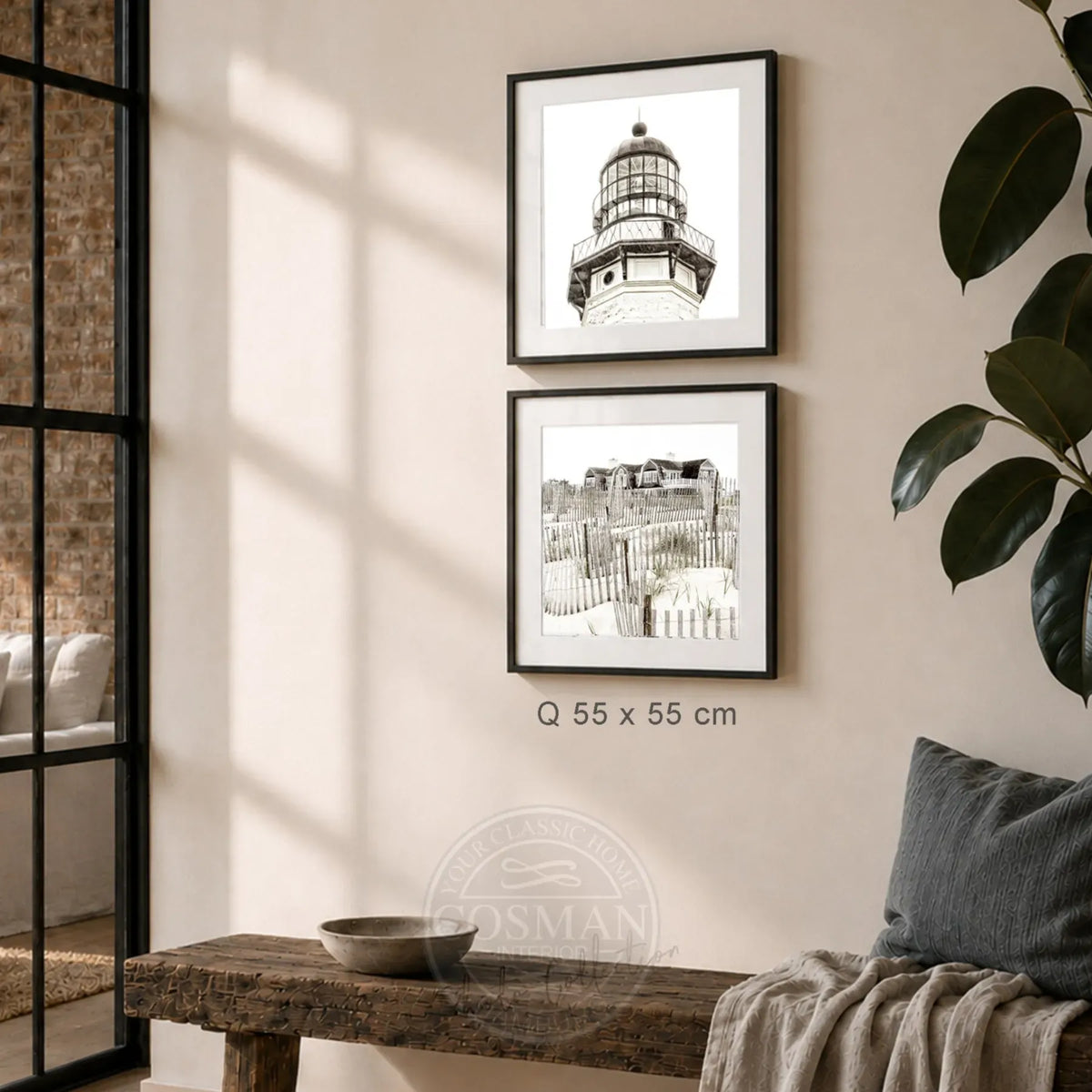
A high-quality frame is not an afterthought. It gives the artwork definition, protects the print, and plays a key role in determining whether wall art looks like a poster or a finished interior design element. Black frames bring graphic motifs to life and create a modern contrast. Natural wood evokes a warm and relaxed atmosphere, while white frames visually open up bright, minimalist spaces.
Acrylic glass gives the image a clean, high-quality surface and protects the print in everyday use. This is a practical advantage, especially in hallways, dining areas, or vacation homes. When choosing a frame, it's worth considering not only the wall color but also the lighting fixtures, furniture legs, and existing metal or wooden elements.
Cosman Photocollection combines curated abstract motifs with high-quality photo paper, handcrafted framing, acrylic glass, and ready-to-hang delivery. This eliminates the often underestimated search for a suitable frame, printing service, and mounting hardware – ensuring that the picture looks harmonious from the very first moment.
Three easily avoidable mistakes
The most common mistake is choosing a picture that you like but is too small for the wall. Give a large area enough visual impact. The second mistake is overly precise color matching. A room doesn't look more sophisticated if every detail repeats the same shade. It's better to choose a picture that picks up on existing colors and adds its own accent.
Thirdly, wall art is often hung too high. Especially in rooms with high ceilings, this quickly creates a visual gap between the furniture and the artwork. A ready-to-hang framed piece of wall art can be positioned directly and neatly, provided the height and distance are determined beforehand.
If you're torn between two designs, don't decide based solely on the single image. Imagine how it will look in daylight in the morning, under lamplight in the evening, and from the perspective of the room where you spend most of your time. The right abstract wall art doesn't just fill a blank space—it gives your home a unique and lasting character.